 Cliffhanger Solutions
Get a Demo
Cliffhanger Solutions
Get a Demo
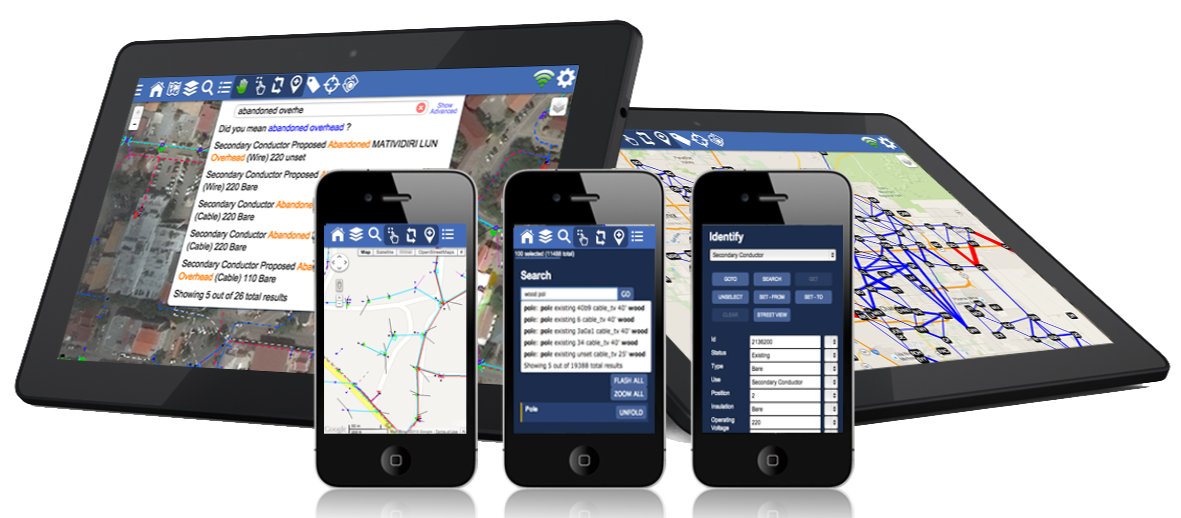
1. Capture at the source
The single biggest cause of bad data is delay. Every minute between observation and capture is a minute for memory drift and transcription error. Aim for capture in the same gesture as the observation: photo, GPS, IMU, form fields, all of it, all together, while the crew is still standing in front of the asset.
2. Constrain the input
Free-text fields are where data dies. "Pole condition" should be a chip selector, not a text box. "Equipment type" should be a dropdown driven by the asset class. The right input control eliminates 90% of the corrections an office reviewer would otherwise have to make.
3. Make provenance visible
Every captured record should carry its own forensic trail. Who captured it, when, where, with what device, from what offline session. When something looks wrong six months later, the office reviewer should be able to answer "how do I trust this?" in a single glance.
4. Loop the field back in
When the office can't confirm a record, the question should go back to the field, not into a queue of "we'll get to this." The crew that captured it should see the request on the device, on the pole, in context, not in an email three weeks later.
5. Treat sync as a feature
Offline capture is table stakes. What matters is how sync handles the boundary case: two crews edit the same record from different vehicles. Sync should surface the conflict as a decision, not a silent overwrite. The data the office trusts is data the team made a deliberate choice about.